Heart valve disease affects the opening and closing of the heart valves, which manage the flow of blood through the heart. If the valves do not function properly, the blood will not flow in the right direction through the heart, disrupting blood flow to the body. Complications of valve disease may include blood clots, stroke, cardiac arrest, pulmonary hypertension and heart failure.
Any of the four heart valves: aortic, mitral, pulmonary and tricuspid are subject to valve disease. Symptoms may be subtle and develop over time. The symptoms of heart valve disease include fatigue, chest pain, shortness of breath and dizziness. Risk factors such as: use of tobacco products, diabetes, over age 65, high blood pressure and sedentary lifestyle can contribute to valve disease.
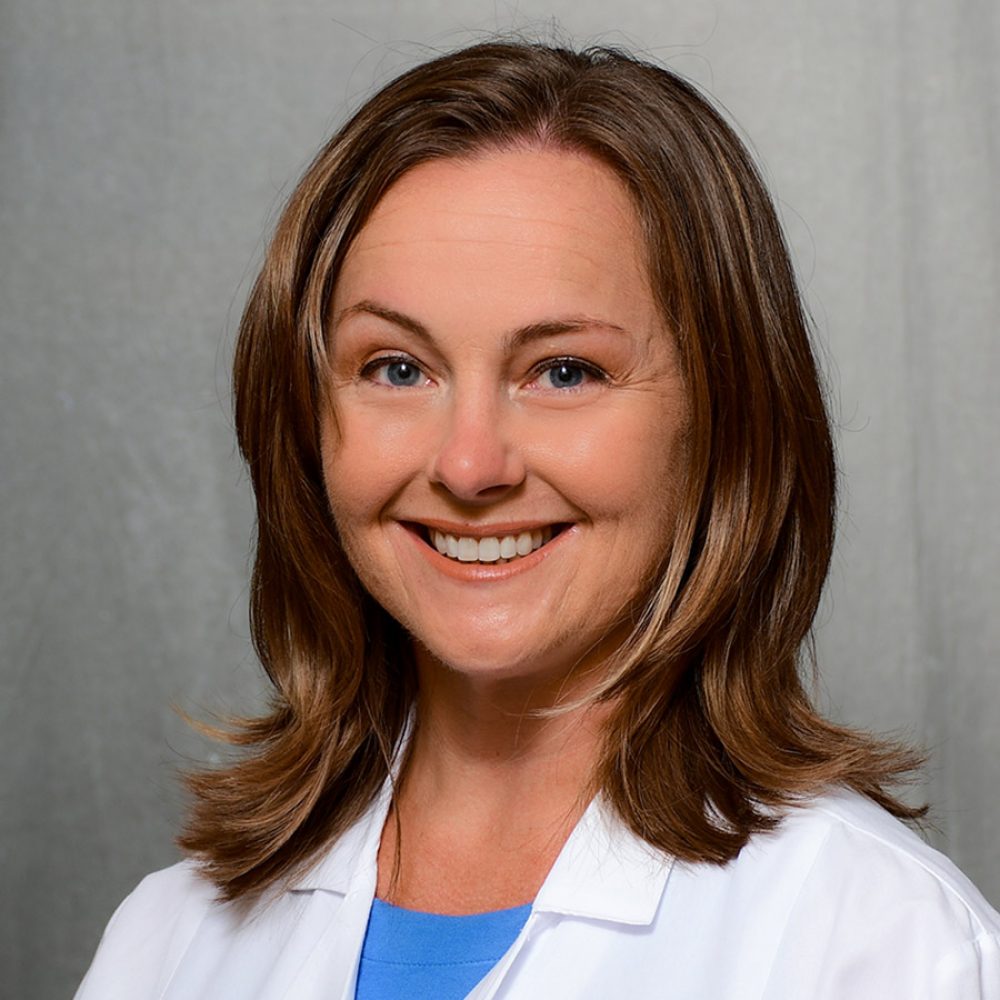
On this episode of the Hurley in the Morning radio show, Jennifer Joiner, APN shares the facts about heart valve disease, explains how it is diagnosed and the management of risk factors. Treatments and interventions, such as minimally invasive and surgical valve repair and valve replacement are discussed.